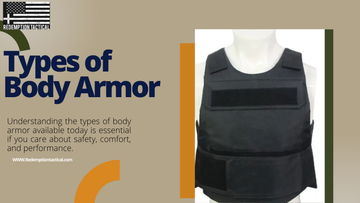
Understanding the types of body armor available today is essential if you care about safety, comfort, and performance. From lightweight inner vests to heavy-duty tactical systems, body armor has evolved to meet many different needs.
Whether you’re in law enforcement, private security, outdoor training, or personal protection, choosing the right armor can make a huge difference. This guide will help you navigate the options without feeling overwhelmed.
What Body Armor Really Is?
Before exploring different models, it helps to understand what armour is and how it works.
Body armor is protective equipment designed to stop or reduce injury from bullets, sharp objects, and blunt force. Modern armor uses advanced fibers, ceramics, and composites to absorb and disperse impact energy.
There are many body armor types, but most fall into two main categories: soft armor and hard armor. Soft armor is flexible and lightweight, while hard armor uses rigid plates for higher protection.
You’ll also find options like bulletproof clothing and discreet inner vest designs that can be worn under everyday clothes. These are popular among civilians and private professionals who want protection without drawing attention.
Guess what? Not all “bulletproof” gear actually stops every threat. Protection depends on material, thickness, and certification level.
That is why learning about the types of body armor is so important before making a purchase.
Also read more blog: How to Build a Trauma Kit for Home, Car, or Range?
Basic Categories of Body Armor
|
Category |
Protection Level |
Typical Use |
|
Soft Armor |
Low to Medium |
Daily wear, concealed use |
|
Hard Armor |
High |
Tactical and military |
|
Hybrid Armor |
Medium to High |
Versatile protection |
Knowing these basics gives you a strong foundation for choosing wisely.
Soft Body Armor and Concealable Protection
Soft armor is the most common type used for everyday protection. It’s lightweight, flexible, and comfortable enough for long wear.
Most types of bulletproof vests in this category are made from materials like Kevlar, Twaron, or UHMWPE fibers. These fibers catch and flatten bullets, spreading the impact over a wider area.
Soft armor is often found in:
- Concealed vests
- Bulletproof suit linings
- Bulletproof clothing
- Low-profile carriers
Many professionals prefer soft armor because it doesn’t restrict movement. You can wear it under a jacket or uniform without looking bulk.
However, soft armor has limits. It usually protects against handgun rounds, not rifle fire. If you’re facing higher threats, you’ll need stronger protection.
Advantages of Soft Body Armor
- Lightweight and breathable
- Easy to conceal
- Comfortable for daily wear
- Flexible fit
One thing to remember: soft armor degrades over time. Heat, sweat, and moisture slowly weaken fibers. Always check expiration dates.
For many people, soft armor represents the most practical entry point into the world of types of body armor.
Hard Armor Plates and Tactical Protection

When higher threats are involved, hard armor becomes essential.
Hard armor uses ceramic, steel, or composite plates to stop rifle rounds and armor-piercing bullets. These plates are usually worn inside a tactical vest or plate carrier.
This setup is common in military, SWAT, and high-risk security operations. Many types of ballistic vests in this category combine soft armor with hard plates for layered protection.
A typical tactical vest's design includes front and back plate pockets, MOLLE webbing, and adjustable straps. It’s built for durability and load-bearing.
Hard armor is heavier, but it offers unmatched protection.
Common Hard Armor Plate Materials
|
Material |
Weight |
Durability |
Cost |
|
Steel |
Heavy |
Very High |
Low |
|
Ceramic |
Medium |
High |
Medium |
|
Composite |
Light |
Medium |
High |
Steel plates are tough but heavy. Ceramic plates are lighter but can crack after impact. Composite plates offer balance but cost more.
If you’re building a professional setup, combining hard plates with a tactical vest gives you reliable high-level defense.
This category plays a major role in advanced types of body armor systems.
Levels of Body Armor Explained
One of the most common questions people ask is: What are the different levels of body armor?
Body armor is rated using standardized protection levels, usually based on NIJ (National Institute of Justice) standards. These levels indicate what kind of threats the armor can stop.
Understanding the levels of body armor helps you match protection to risk.
Standard Body Armor Levels
|
Level |
Stops |
Typical Use |
|
Level IIA |
Light handguns |
Concealed wear |
|
Level II |
Most handguns |
Patrol duty |
|
Level IIIA |
Heavy handguns |
Security work |
|
Level III |
Rifle rounds |
Tactical use |
|
Level IV |
Armor-piercing |
Military |
So, when someone asks, “What are the different levels of body armor?” this chart gives the basic answer.
Higher levels mean more protection, but also more weight and cost.
Here’s a simple rule: don’t overbuy. If you only face low-risk situations, heavy armor will slow you down and reduce comfort.
A protective armor system should balance safety and mobility. That balance matters more than raw strength.
Choosing the right level is central to selecting the best types of body armor for your situation.
Choosing the Best Type of Body Armor for Your Needs
Now comes the big question: what’s the best type of body armor for you?
The answer depends on your lifestyle, profession, and risk exposure.
Start by asking:
- Do I need concealment or visibility?
- Will I wear this daily or occasionally?
- Am I exposed to handgun or rifle threats?
- How much weight can I handle?
If discretion matters, go for soft armor or an inner vest. If protection matters most, choose a plate carrier with hard armor.
Some people prefer hybrid setups that allow switching between soft and hard protection. These systems are flexible and future-proof.
Matching Armor to Your Needs
|
User Type |
Recommended Armor |
|
Civilians |
Soft armor, inner vest |
|
Security |
Level IIIA vest |
|
Tactical |
Plate carrier |
|
Military |
Level IV system |
Avoid buying based on looks alone. A stylish bulletproof suit won’t help if it doesn’t meet your threat level.
Read certifications. Check warranties. Look for real user reviews.
The smartest buyers focus on function first.
That’s how you find the right option among the many types of body armor available today.
Care, Maintenance, and Longevity

Even the best armor won’t protect you if it’s poorly maintained.
Always store armor in a cool, dry place. Avoid folding soft armor. Don’t leave it in hot cars for long periods.
Inspect plates regularly for cracks, dents, or delamination. Replace damaged gear immediately.
Clean carriers and vests according to manufacturer instructions. Sweat and dirt reduce lifespan.
Most soft armor lasts 5 to 7 years. Hard plates vary depending on material and usage.
Think of armor like a safety helmet. It’s only reliable when it’s in good condition.
Proper care ensures your investment in types of body armor continues to protect you for years.
Take the Next Step Toward Better Protection
Understanding the types of body armor puts you in control of your safety. When you know how materials, levels, and designs work, you make smarter choices and avoid costly mistakes.
People Also Ask:
Q. How many types of body armor are there?
There are mainly three types of body armor: soft armor, hard armor, and hybrid armor. Soft armor is lightweight and flexible, hard armor uses rigid plates for high protection, and hybrid systems combine both for versatility.
Q. Is ceramic or Kevlar better?
Neither is “better” in all situations. Kevlar is lightweight and flexible, making it ideal for everyday wear and concealed vests. Ceramic is used in hard plates and offers stronger protection against rifle rounds, but is heavier and more fragile.
Q. Is Level III or Level IIIA better?
Level III is stronger than Level IIIA because it stops rifle rounds, while Level IIIA only protects against handgun threats. However, Level III is heavier and less comfortable, so Level IIIA may be better for daily use.
Read more blog: