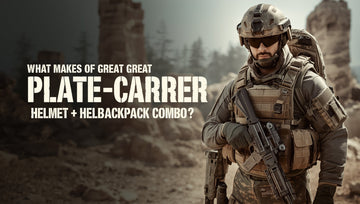

Choosing the right plate carrier is about more than just protection. Whether you’re a police officer gearing up for high-risk situations, a military professional preparing for deployment, or a civilian who values readiness, the right gear can save your life. The best plate carriers for law enforcement, military, and civilians combine comfort, mobility, and durability, all while holding ballistic plates securely in place.
This guide is built from years of tactical gear experience, field use, and input from professionals who depend on their equipment daily. It breaks down what matters most: weight, fit, load capacity, and cost.
With the right information, you’ll know exactly what to buy, why it fits your mission, and how to set it up for real-world use. Let’s dive in.
How to Choose a Plate Carrier?
A plate carrier is more than a vest; it’s a life-saving system. Choosing the best plate carriers for law enforcement, military, and civilians starts with identifying your purpose. Officers and service members may need quick-release systems for emergency removal, while civilians often seek lighter rigs for home defense or training.
Protection Level:
Ballistic plates come in NIJ levels ranging from IIIA (soft armor) to IV (rifle protection). Most carriers fit 10x12 SAPI or ESAPI plates. Start with your plate choice, then select a carrier that matches.
Fit and Comfort:
Weight distribution is important. Poorly fitted carriers create fatigue. Adjustable cummerbunds, padded shoulder straps, and ventilation panels help reduce strain over time.
Modularity:
Mission needs to change. Look for MOLLE webbing, placard systems, and accessory options like side plate pockets or hydration pouches.
Weight vs. Mobility:
Minimalist carriers like the Crye JPC 2.0 provide speed and comfort for mobile users, while heavy-duty rigs like the Scarab LT support full combat loads.
Durability:
Choose carriers built with Cordura nylon or similar high-strength fabrics. Reinforced stitching and drag handles are essential for professional use.
Whether you’re a patrol officer responding to emergencies, a soldier running drills, or a prepared civilian, the right setup depends on how you balance protection with movement.
Top Plate Carriers by Use Case

Minimalist / Low-Profile Carriers
When mobility is everything, minimalist carriers shine.
-
Crye Precision JPC 2.0
The Jumpable Plate Carrier 2.0 is widely trusted by military units. Weighing just over a pound, it delivers a perfect blend of strength and adaptability. Its skeletal cummerbund and optional zip-on panels allow users to scale their setup without adding bulk. -
Ferro Concepts Slickster
For undercover operations or training, the Slickster offers unmatched concealability. At under a pound, it’s one of the lightest carriers available. With an elastic cummerbund and MOLLE compatibility, it’s easy to mount gear without losing its sleek fit.
Both options are ideal for those who prioritize speed, range of motion, and minimal footprint, perfect for law enforcement officers or civilians who want discreet protection.
Heavy-Duty / Full Load Carriers
For missions demanding maximum protection, heavy-duty carriers are the gold standard.
-
Velocity Systems Scarab LT
The Scarab LT is built to handle heavy combat loads while maintaining comfort. Its innovative shoulder strap system uses swivel buckles to keep plates balanced, reducing neck strain during extended operations. Constructed from premium Cordura, it’s designed to last through years of hard use.
Heavy-duty carriers like this one are perfect for soldiers and tactical teams who carry full ammunition loads, communication gear, and other essentials. It offers full MOLLE coverage, padded shoulders, and quick-release features for emergency scenarios.
Balanced / All-Around Carriers
When you want versatility without compromise, balanced carriers are your best choice.
-
Agilite K-19
The Agilite K-19 has quickly become a favorite among professionals. It balances mobility with durability, featuring a fully adjustable cummerbund that fits any body type. Its quick-release system makes emergency removal fast, while its premium padding keeps operators comfortable for long hours.
This carrier works equally well for law enforcement patrol, range training, or active-duty missions. Its modular system lets you add or remove gear depending on your mission, making it a solid “one-rig” solution.
Read more blog: How Long Does Body Armor Last? Shelf Life, Lifespan & Storage Tips
Budget / Beginner Carriers
For those entering the tactical world or building their first setup, affordable carriers can still provide excellent performance.
-
Mayflower Assault Plate Carrier
A simple, durable option that provides essential coverage and a no-frills design. It’s popular with civilian shooters and departments looking for cost-effective gear. -
BulletSafe Tactical Plate Carrier
This budget-friendly carrier offers MOLLE compatibility, adjustable sizing, and padded straps. It’s an excellent starting point for civilians or those looking for a backup vest.
Both carriers allow new users to get familiar with plate setups without overspending.
Law Enforcement-Specific Carriers
Law enforcement officers often need a balance of coverage and speed.
-
Velocity Systems Law Enforcement Plate Carrier
Purpose-built for patrol and SWAT, this model offers quick-don capability, high durability, and universal sizing. Officers can mount duty gear without sacrificing mobility.
With plate carriers becoming more common in police departments nationwide, choosing a law enforcement-specific rig helps officers carry essential gear comfortably on long shifts.
Setup & Accessory Tips for a Complete Plate Carrier

Getting the best plate carriers for law enforcement, military, and civilians is only step one. Setting it up correctly makes the difference in the field.
Start with plates. NIJ Level III or IV ceramic or steel plates are standard. Use soft backers to add comfort and blunt-force protection. Place plates high enough to cover vital organs.
MOLLE systems let you customize. Mount ammo pouches, med kits, and radios where you can reach them quickly. Keep your front panel light to improve weapon handling. Shift heavier gear to your sides or back.
Cummerbunds provide stability, and some models include integrated side plate pockets for additional coverage.
Hydration carriers, admin pouches, and tourniquet holders are common add-ons. Avoid overloading; your gear should enhance your abilities, not slow you down.
If you’re new to plate carriers, start minimal and add only what you use. Many professionals refine their layout over time.
Conclusion
The best plate carriers for law enforcement, military, and civilians provide life-saving protection when every second counts. Whether you choose a minimalist option for mobility, a heavy-duty rig for combat, or a versatile all-around system, the right gear will match your mission and budget.
As a family-owned company with firsthand experience outfitting officers and service members, we know this isn’t just about buying a vest; it’s about trust. Choose your gear carefully, train with it, and keep it ready. A well-chosen plate carrier is an investment in your safety and peace of mind.
Explore durable, mission-ready options from Redemption Tactical, built for those who refuse to compromise on protection and performance.
FAQs
Q. Are plate carriers legal for civilians?
Yes. In most states, civilians can purchase carriers and ballistic plates. Some states restrict Level IV armor, so check local laws.
Q. What plate sizes fit most carriers?
Most carriers are designed for 10x12-inch SAPI or ESAPI plates, the standard military size. Side plates are optional.
Q. How heavy is a fully loaded plate carrier?
An unloaded carrier weighs 1–3 pounds. Add plates and gear, and the total weight ranges from 15–35 pounds, depending on your setup.
Q. Which carriers are best for mobility?
Crye JPC 2.0 and Ferro Slickster are top picks for fast-moving scenarios where agility is critical.
Q. Can civilians buy the same carriers the military uses?
Yes. Many companies sell military-grade gear to civilians. Plate choice and training matter most.
Read more related blog: